
Business books world over tend to glorify the need for specialisation and ensuring that the different dockets of the business get due attention from their respective professionals.
As a business startup, especially if you are the bootstrap type, this is advice laced with poison. While it may work, the pain it’s likely to put the entrepreneur through is usually uncalled for. A colleague with a new business under a year old approached me and on sharing his experiences, I realised that he had followed the business books’ principles with religious zeal and failed to harmonise their advice with his local situation. He had a challenge of very high overheads and yet was going through a lean period. Essentially the business was bleeding even when it wasn’t earning as expected.
The move he took of hiring people for the different functional areas of the business had led him to a situation where he could hardly meet salary and allowance obligations. Staff morale was at its lowest and there was no end in sight to the financial dip they were facing. He justified this hiring by the fact that the business was making money and could afford to pay for the hires.
My advice to him was simple, STOP THE BLEEDING. I shared with him how he for example didn’t need to have an in-house IT professional since the work being done could be effectively handled through outsourcing. The same applied to the accountant. For a business that currently sends out not more than two invoices a week, all he needs is to have some system set up using simple spreadsheets to capture pre-determined financial information. The files generated can then be shared with an accountant via email who will then spend not more than 2 hours to come up with the relevant reports. Any other staff to be retained had to have the capability to play multiple roles e.g An Office Administrator who can handle book keeping, telephone sales, website updating and customer support. It is possible and in case they can’t do all that, some training is in order and once blended with the right technology, the rest flows like a charm.
As a Startup founder, do not feel guilty when you realise that you are the CEO, Salesman, Engineer and Client Relationship Manager. It tends to happen since during this phase your vision alone isn’t enough to attract people to you who are willing to work through thick and thin for meagre pay.

Roadside Fish Entrepreneur in Mukono, Uganda. Notice the two hand helps in the background.
Indian business owners are a good example here. You’ll find one running a small shop entirely on his own or with the help of one or two unpaid family members. Only when the business has grown and he is making really good money will he hire a paid hand. That paid hand is then expected to play multiple roles in the business based on how the owner deems fit. Every extra hire is justified by a significant growth in stable revenue and over the years, what started off as a small corner shop becomes a large supermarket.
We all usually want to feel good when sharing our business setups with others. We know that people want to hear that you have a Sales Department, Support Department, Accounts team, Management among others. While all these things are nice, they do not make business sense if all they are doing is haemorrhage your company.
Some of the challenges you are likely to face with a quick recruitment drive are;
- Lack of Management skills. As an entrepreneur, you might need time to up your game in management of people. It is very likely that if you cant manage one or two people effectively, you wont be able to manage a large team. Use the time when you have a lean team to up your game in preparation for a bigger team. The category of staff you’re likely to get in your startup may not be that much experienced in work and hence require a significant level of baby sitting. That is where the headache starts from and alot of patience is needed.
- Meeting Obligations. For every hire you make, obligations arise and they go beyond merely paying a salary. There are local and national taxes to pay, insurance (depending on the type of industry), clothing (especially protective gear for the construction industry), mandatory leave that also ropes in Maternity leave which can be as much as three months of paid leave. These can be difficult to track and before you know it, the authorities will be raining down on you and demanding their pound of flesh.
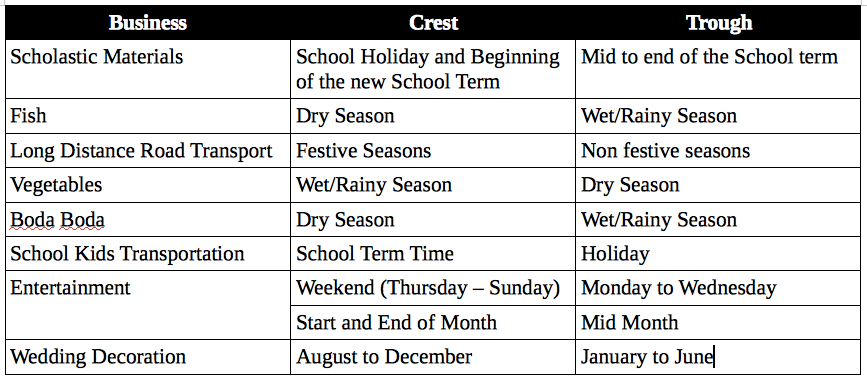
- Staff Utilisation. Business opportunities in Startups tend to peak and dip quite alot. I covered that in this article. This has the implication of seeing your staff be utilised at over 100% in one month and then drop to as low as 20% in the next. For a business that hasn’t yet built enough reserves and has to rely on Accounts Receivables to meet salary obligations among others, the end result is what happened to my colleague at the start of this post.
You are therefore better off avoiding the temptation of hiring too quickly and if possible try operating below the radar as a way of gaining your bearings.

 The Wire Perspective