Tag Archives: start-up

HOW TO – Start a Chapati Business


Rolex, one of the CNN recognised world famous foods is basically a Ugandan Chapati wrapped around a fried egg. Chapati is one of the most sought after snack like foods by all categories of consumers.
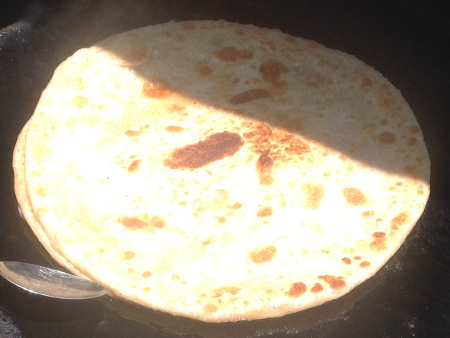
chapati

Chapati as it is known in Uganda

Making and selling Chapatis is one of the businesses that many find easy to set up due to the low start-up investment costs as well as high demand for the product(s). It is however important to note that while you can run it as a standalone business, it is always wise to have two or three other complementary products alongside it in order to reap maximum benefits. Some of these products are Samosas (sumbusa) and Mandazi that have similar requirements for inputs. What is shared here can be similarly applied to other products like doughnuts.

What infrastructure do you need to effectively run a Chapati business?

  • Operating Table. Notice the concealed compartment. It is a pre-requisite when selling food products by the roadside in Kampala.

    OperatingTable

    Operating Table for a Chapati business

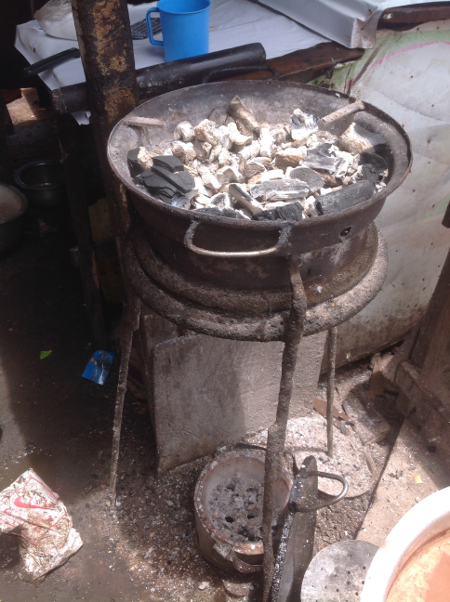
  • Charcoal Stove

    CharcoalStove

  • Saucepans (At least two big ones)

Saucepan

  • Frying pan (For preparing the chapati)
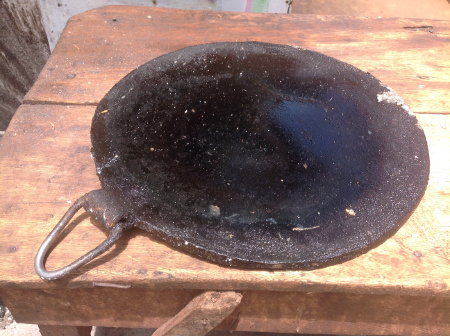
FryingPan

  • Bench (for customers to sit on while eating)

  • Plastic plates (for customers to use when eating)

  • Jerrycans (keeping a water reservoir for customers to clean their hands or even wash your utensils)

  • Basin (for mixing dough)

Key considerations when setting up the business

This is a basic, easy to set up business. However, one need consider the following issues:

  1. Business Plan: A basic plan can suffice. It ought to answer a few questions like target market, desired sales targets, long term outlook, product mix (are you dealing in chapati alone or a mixture of products), planned operation approach among others. If you feel encumbered writing it down, at least have some of these issues answered mentally.

  2. Recipe: For those that know all about Chapati, you definitely can tell the difference between a good and bad one. This usually boils down to recipe and of course workmanship. Considering that there are many chapati sellers especially in the key trading or residential areas, having an attractive recipe will guarantee you return clients.

  3. Location: In this business, location is paramount. It is essentially a roadside business whose ultimate goal is to prey on the gullibility of people going about their usual routines. You need to make it as convenient as possible for someone to part with that loose change in order to satisfy their hunger pangs. Common locations for chapati stalls are trading places with shops, restaurants and supermarkets; residential neighbourhoods; public transport stages as well as environs of bars.
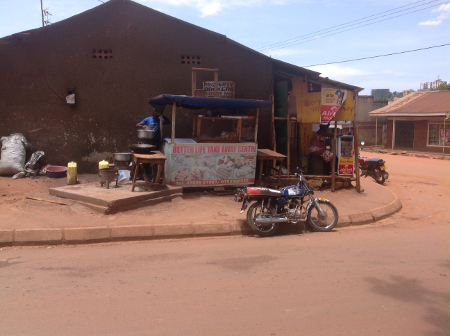
    location

    Notice the strategic roadside corner location of this chapati business

  4. Raw Materials: Other than the earlier mentioned equipment, recurrent costs go to cooking oil, Wheat flour, baking powder and any other ingredients of your choice. Most of these are readily available in supermarkets and shops. Just make sure you purchase quality and unadulterated products.

  5. Products: Chapati can be packaged in different ways to form different products. You can offer a plain chapati, Rolex or even a Kikomando (Chapati mixture with beans)
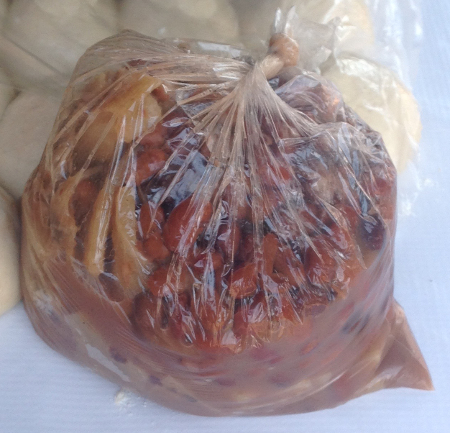
    kikomando

    Kikomando, one of the best selling products

  6. Human Resources: If you do not plan to directly run the business, then you need to hire decent people or a person that will ensure you offer a very tasty product as well as manage customers well. Do not underestimate the kind of person you choose to play this role. They are the face of your business. Structure out a motivating payment structure. As opposed to a fixed salary, a sales oriented approach towards payment is likely to be more enticing.

hr

Some of the factors that attract customers to your chapati stall are;

  • A nice recipe

  • Good public relations / sales language. The way your staff talk to the customers especially ladies who happen to be the biggest customers is key.

  • Smartness. Ensure that you or your staff manning the stall is smart at all times.

  • Endeavour to keep the operating area as clean and free of insects like flies.

How can one invest in the Chapati business

One can venture into this business in different ways. Some of those that I have been able to identify are:

  1. Renting Space. You might be having a shop or premises that are in a strategic location by the roadside. You can simply rent out space to anyone who is interested in setting up a chapati stall and they are in position to pay something commensurate monthly.

  2. Hiring a Location and erecting key infrastructure. As seen earlier, the operating table can take on different designs as well as abilities. Some people have specialised in identifying customer friendly locations, erecting a shelter as well as the required operating table then renting out the facilities to actual chapati sellers for a daily rate. One of those locations I know of earns the landlord UGX 50,000/= daily!!!!!

  3. Acquire all the requisite infrastructure and set up a chapati stall. This would imply running the business in its entirety. It might involve you manning the stall directly or hiring an individual that you pay.

What is the sales outlook like?

The location in which I did the research from was in a Kampala suburb called Kyebando. It is not as busy as many of the suburbs I know. However, the sales figures were quite interesting.

One packet of Wheat Flour weighs 2 Kilogammes and on average produces 20 chapatis. The highest selling stall in that area consumes not less than 24 packets daily. The arrangement used is option two where the actual chapati seller hires infrastructure from someone else. He pays a daily rate of UGX 50,000/=. Considering that each plain chapati costs UGX 500/=, this guy should be earning gross revenues of at least UGX 240,000/=. This is exclusive of extra income that comes from Rolex and Kikomando sales.

Something definitely looks quite appealing. Don’t you think so? If I were to go into this business, I would focus on eventually setting up a chain of outlets using investment model II above.

Welcome to the Chapati business. I wish you the best in your endeavours.

James Wire is a Small Business and Technology Consultant based in Kampala, Uganda

Follow @wirejames on Twitter.

Email lunghabo [at] gmail [dot] com

Other Articles of Interest:

HOW TO – Start a Snacks Business


A Snack is defined as a small portion of food or drink or a light meal, especially one eaten between regular meals (Dictionary.com). Snacks are one of the top selling items in any shop or supermarket in Uganda. Everyone everywhere somehow eats a snack or two daily.

In Uganda, the common snacks are ground nuts (pea nuts), Soya, Mandazi, Chapati, Simsim, Crisps, Chips (french fries), Sumbusa, pan cakes, doughnut, popcorn, gweke (fried maize), cookies among others.

The snack business is characterised by the following;

  • Low entry barriers (can easily be started with few resources)

  • Easily run as a home business

  • Low margins

  • Requires high volume sales

  • Price sensitivity

If you have any remote interest in cooking, then this is one of the most obvious businesses to pursue. Before you start worrying about how to sell the product made, let us scan through the various issues that need to be addressed.

Key Considerations

To set up a snacks business it is crucial that one addresses the listed issues:

  1. Business Plan: Have one, however basic. This plan should be able to guide you on what you plan to produce, how you plan to sell it, anticipated trading volumes, an overview of your operating expenses, targeted sales price among others.

  2. Recipe: Come up with a recipe for the snacks you want to produce. This is very important since you are entering a market that is likely already flooded with similar snacks. It helps if you find a key differentiator. An example, if you chose to go into the Fried Mukene Snacks business today, the edge would be in adding some spices to your recipe that will attract customers to your product.

  3. Raw Materials: You definitely need to acquire raw material which will be processed to form the snacks. This raw material is key in your value chain. Ensure that you set up a steady supply of the raw material to avoid breakdowns in your production cycle. Nothing hurts customers like getting accustomed to your product and then they all of a sudden have to bear with its absence from the market for a week or so. No amount of excuses will win all of them back. You will essentially have gifted them to the competition. If you can stock the raw material to avert such instances, do so.

  4. Production Equipment: You’re going to have to acquire equipment necessary for the production of these snacks. Depending on the snacks in question, the equipment can be as basic as they get. Look around in your local market, talk to people already in similar business to find out where they source their equipment from or at worst, visit the upscale supermarkets and shops that deal in the high end equipment. Your pocket and planned target market is key in determining what kind of equipment you settle for.

    IMG_9700

    Plastic packaging can be sealed with either the electric sealer, flat iron or candle.

  5. Production Location: Where do you plan to make the snacks from? This is dependent on multiple factors among which is your target market, resource availability, production expectations, type of snacks etc. There are snacks that need to be consumed within a short timeframe after production for the best customer experience like chips, rolex (chapati & egg), sumbusa or fried fish. You also have snacks that can be kept for a while and even packed like mandazi, cookies, roasted groundnuts and gweke. The longer lasting snacks can always be processed from any location, packed well and sold in entirely different locations while for the quick to eat snacks, you need to position your production facility near the customer.

  6. Packaging: This has to do with the way you present your product to the customer. You could choose to go it anyway you want but first assess and see how others are doing it. If you’re going to use supermarkets and shops to retail your products, you need to have decent attractive packaging in place.

    IMG_9697

    Compare the two packagings. Which one gives better appeal?

    If you plan to sell by the roadside, then all you need might be old newspapers in which to wrap the snacks. Align your packaging with the target market so that you avoid over or under investing in it. This has a direct impact on your sales performance.

  7. Branding: This is the practice of creating a unique name and image for a product in the consumer’s mind. As you set out to sell your snacks, you need to create an identity for them or else they will get lost in the multitudes of products out there. A customer should be able to know that they are buying your product and not any other. Near my home, there is a Chapati seller who branded his stall as Budaka Boys. As a result, it is very convenient for me to send my 8 year old to buy his chapati. Do not undermine your days of small beginnings. Most big name product brands started small. Work on the branding as you go along with the business since it is likely to significantly complement your other efforts. I have developed three household product brands from first principles today and hence know what it means.

  8. Sales Strategy: By now you should be having an idea about how you plan to sell your product. There are numerous ways snacks are sold and some of them include; roadside sales, door to door hawking, office to office hawking, supplying shops or supermarkets, online (whatsapp, facebook etc) among others. Your choice should be determined by the target market you have in mind, cost of product, packaging and capital investment at your disposal.

  9. Human Resources: Do you need to hire workers? Can you do this work on your own (at least for starters)? Are you able to pay the workers? Do you need workers in the production or sales and marketing areas? Ask yourself leading questions before you make a decision. Alternatively, even when you need workers, maybe starting with family labour could be a better strategy. It’s worth learning from the Indians here.

  10. Money: The snack business in its most basic form does not require lots of money to start. With UGShs 100,000/= (Approx US$ 30) one can kickstart this business. However, as stated earlier, being a low margin business, you will need to target volume sales before making sensible returns. This implies re-investing your proceeds religiously at least for the first six months in order to grow the business operations.

This may not be an exhaustive guide but should give you a good idea of the landscape you should expect to find going into the snacks business. Feel free to contact me for more detailed input.

James Wire is a Small Business and Technology Consultant based in Kampala, Uganda

Follow @wirejames on Twitter.

Email lunghabo [at] gmail [dot] com

Other Articles of Interest: